Helping children learn Twi can be a beautiful way to introduce them to Ghanaian language and culture. Whether your family speaks Twi regularly or you’re starting from scratch, learning together can create meaningful memories and strengthen cultural connections.
The good news? Learning a language at home doesn’t have to feel like homework.Here are five simple and enjoyable ways to introduce Twi to your children.
Start With Everyday Words
Begin with simple words and phrases that children can use throughout the day.Teach greetings such as:
- Maakye – Good morning
- Medaase – Thank you
- Akwaaba – Welcome
- Mepa wo kyɛw – Please
Repeat these words naturally during daily routines. Children often learn best when language is connected to real-life situations.
Make Learning Fun With Games
Children enjoy learning when they can play.
Try simple activities such as:
- Twi flashcards
- Matching words with pictures
- Colouring activities with Twi vocabulary
- Guess-the-word games
- Simple memory games
Short activities can be more effective than long lessons, especially for younger children.
Read Together
Books are a wonderful way to introduce new vocabulary.
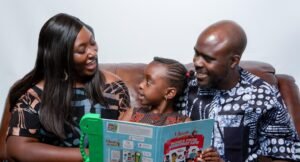
Read children’s stories together, point to pictures, practise the words, and encourage your child to repeat them.
You can also use Twi activity books to introduce colours, animals, numbers, family members, and everyday objects.
Listen to Twi Together
Listening helps children become familiar with the sounds, rhythm, and pronunciation of the language.
Try listening to Twi songs, children’s videos, short conversations, or simple audio lessons.
Encourage your children to repeat words without worrying about making mistakes.
Practise a Little Every Day
Consistency makes a big difference.
You could introduce a Twi word of the day, practise greetings every morning, or have a short Twi conversation during dinner.
Even five or ten minutes of practice can help build familiarity over time.
Learning Twi as a Family
Learning together can make the experience more enjoyable for both children and parents.
You don’t need to be fluent to begin. You can learn new words together, practise pronunciation, and celebrate every small achievement.
At Twi Together, we offer engaging learning resources and lessons designed to help learners build confidence and enjoy their Twi journey.